
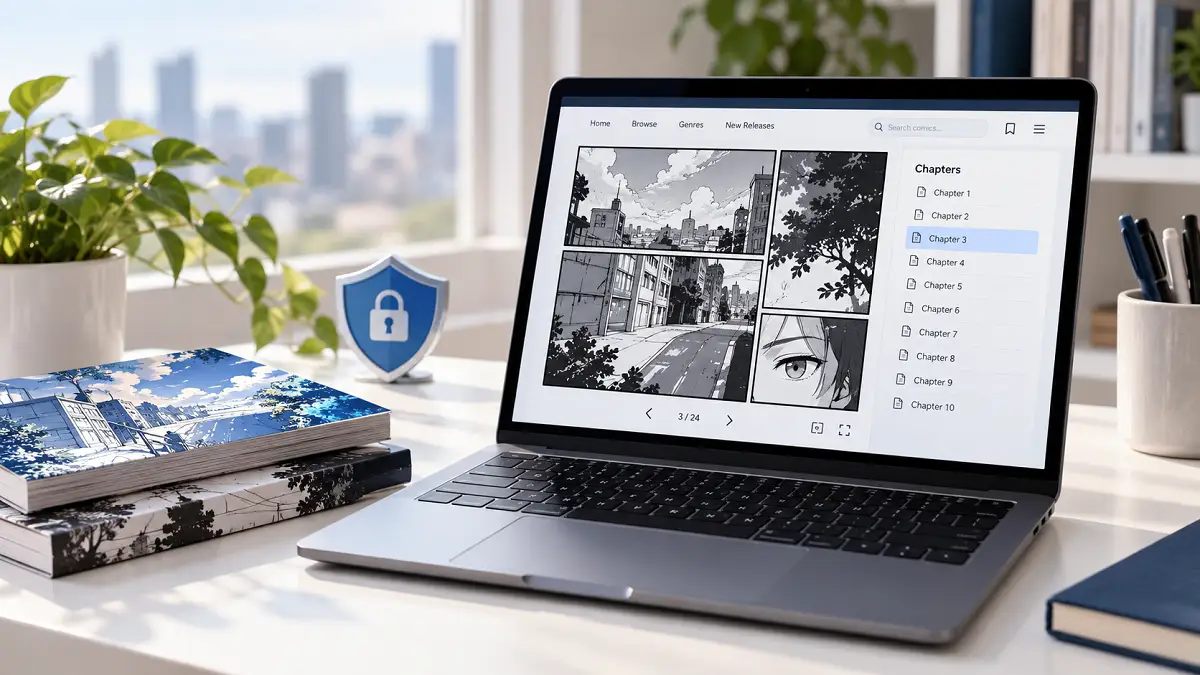
Mangago is a name associated with websites that let visitors read manga and other illustrated stories online without paying for each chapter. People often search for it to find a particular series, continue reading, or check whether the site is safe to use. The important distinction is that a free reading page is not necessarily an officially licensed publisher. Its security and copyright status also require separate consideration.
This guide explains what Mangago is generally known for, how online manga aggregators operate, why the exact domain matters, and what US readers should check before using a site that offers free chapters.
Table of Contents
What Is Mangago?
Mangago is commonly described as an online manga aggregator: a website that organizes chapters of illustrated stories so readers can browse titles and open them in a browser. Unlike a publisher’s official app, an aggregator may collect material from different sources rather than distribute every series under a documented publishing agreement.
The domain mangago.me is associated with the Mangago name. However, other sites also use very similar names and branding. A shared name does not establish common ownership, official status, or identical content. Features and availability can change, so older descriptions may not reflect the current site.
What Can Readers Find on Mangago?
Third-party descriptions of Mangago mention title pages, chapter lists, and browser-based reading. Sites of this kind may organize titles by genre or recent updates.
Several terms appear in discussions of these reading sites:
- Manga usually refers to comics originating in Japan.
- Manhwa commonly refers to Korean comics, including many digital-first works.
- Manhua generally refers to comics originating in China.
- Webtoons are digital comics often formatted for vertical scrolling.
These labels describe formats and origins, not permission to distribute a work. A website can display a recognizable series without holding its digital publishing rights. Listed chapters may be incomplete or translated without approval.
Is Mangago Free to Use?
Mangago is widely described as a free reading service. That means its appeal is the ability to open available chapters without purchasing each one separately. It does not mean every copy has been distributed with permission or that all surrounding advertisements and links are trustworthy.
Official publishers also offer free opening or recent chapters. Access can depend on the series, region, platform, or reading history.
How Do Manga Aggregator Websites Work?
A manga aggregator typically gives each series a page containing a title, summary, categories, and links to chapters. Opening a chapter loads images or illustrated panels through a web viewer. Some sites also display recent-update lists, search tools, or optional reading accounts.
That familiar interface can make different services look interchangeable. Yet a site’s navigation does not tell readers where the chapter images came from, who translated the text, or whether the relevant rights holder approved publication. Those details matter because a readable page and a licensed release are two different things.
Aggregators may change domains, lose titles, or display inconsistent chapter numbering.
Is Mangago Safe to Use?
There is no sound basis for guaranteeing that every Mangago page or look-alike domain is safe. A third-party website-safety report on mangago.me describes clean results in its saved antivirus checks while also recording user complaints about intrusive pop-ups and redirects. Those findings are mixed: a clean scan does not guarantee safety, and complaints alone do not prove every visit results in harm.
Ads, Redirects, and Fake Download Prompts
Unfamiliar websites sometimes display ads that resemble system messages. A pop-up may claim the browser needs an urgent update or a device has a virus. These messages can be deceptive even when the underlying reading page appears normal.
Avoid downloading files, browser extensions, or special reading software because a pop-up tells you to. Manga pages that display in a normal browser should not require an unrelated installer. If an advertisement opens a new tab, close it rather than entering personal information.
Account and Privacy Considerations
An optional reading account would entrust your email address and password to the operator. Use a unique password, never reuse a banking or primary email password, and avoid sharing payment details with an unfamiliar domain.
Even without an account, websites can collect technical information through cookies, analytics, and advertising systems. An HTTPS padlock protects the connection in transit, but it does not prove the operator is trustworthy or owns rights to the material shown.
What If a Browser Shows a Warning?
If Chrome or another browser reports phishing, malware, or a deceptive website, do not bypass the warning simply to reach a chapter. Update your browser and device, and review any unusual downloads or permissions. A browser warning is more actionable than a site’s own statement that it is safe.
Is Mangago Legal in the United States?
The main legal issue is copyright licensing. Manga artwork, dialogue, and translations can involve rights held by creators, publishers, translators, or other parties. Permission to distribute a digital chapter does not arise merely because someone has uploaded it or offered it free of charge.
The US Copyright Office’s guidance on digital files explains that uploading or downloading protected works without the copyright holder’s authorization may infringe reproduction or distribution rights. Whether any particular title or use is authorized depends on facts that a website’s design cannot establish.
Public copyright-removal records name mangago.me in requests to remove search results. These document rights-holder complaints, not a court ruling about every page or the legal consequences of mere viewing.
For an ordinary reader, the practical question is straightforward: can the service show that it has permission to distribute the title? When authorization is unclear, an official publisher or authorized retailer is the less uncertain choice.
How Can You Tell Whether a Manga Site Is Licensed?
A polished homepage, a large catalog, or a familiar series cover is not proof of licensing. Look for clear information about the company operating the platform and the publisher or rights holder supplying its content.
Useful signs include identifiable publisher partnerships, links from an established publisher’s own website, published regional availability terms, and clear customer-support information. A legitimate service may still have technical problems or ads, so none of these signs offers a total security guarantee.
Also check whether access rules match the publisher’s official information. If one site claims every chapter is always free while the rights holder limits free access to certain chapters, that discrepancy deserves closer examination. Do not assume an unofficial mirror becomes authorized just because its interface resembles a licensed app.
Why Do Mangago Look-Alike Domains Matter?
Searches for Mangago can lead to domains with nearly identical names. Some may be separate aggregators, outdated addresses, or attempts to attract visitors who intended to reach a different website. Without reliable ownership information, treating them as one service is unsafe.
Before using an unfamiliar result, read the full address carefully. Watch for altered spellings, extra words, and redirects to unrelated domains. Avoid signing in to a page reached through a suspicious ad or unsolicited message.
This domain-checking principle applies to other third-party viewing tools, too. RoyalMagz’s explanation of sotwe discusses why a service’s identity and relationship to an original platform should not be assumed from its name alone.
Licensed Alternatives for Reading Manga
US readers have official options that offer free chapters, subscriptions, or both. The most useful service depends on the series you want to read, the publisher, and whether you prefer a website or a mobile app.
MANGA Plus by Shueisha
MANGA Plus is an official service from Japanese publisher Shueisha. Its official FAQ confirms that the service is authorized and offers free reading, though available chapters and access rules vary. The app also offers a first-read-free arrangement for eligible ongoing series, subject to its stated conditions.
Shonen Jump and VIZ Manga
VIZ offers Shonen Jump and VIZ Manga services with free selected chapters and paid access to larger digital libraries. Availability differs across titles, and the two subscriptions are not interchangeable. Check the current title page and membership details before subscribing, particularly if you want one specific series.
Public Libraries and Official Digital Stores
Many US public libraries offer digital comics or graphic novels through their ebook partners. Availability depends on local collections and borrowing rules. Official ebook retailers and publisher stores can be useful for completed volumes that are not included in a subscription.
These options may not reproduce the exact catalog of an aggregator, but they provide a clearer basis for understanding where the content comes from and how creators and publishers are compensated.
What If Mangago Is Not Loading?
A page that fails to open does not establish that a website has permanently shut down. Possible explanations include an outage, a regional network issue, a changed address, or browser-level blocking. Claims of a permanent closure or new official domain need independent confirmation.
Avoid random mirror links advertised as an emergency replacement. If you want a particular manga, search the publisher’s catalog or an authorized reading service by the series title instead. That approach is more dependable than following a succession of unfamiliar addresses.
Frequently Asked Questions
Does Mangago have an official app?
An official Mangago app could not be established from reliable sources. Treat apps using the name cautiously, check the listed developer, and avoid sideloading installation files from unknown sources. A familiar logo is not proof that an app belongs to the same operator.
Can reading manga online give your device a virus?
Simply displaying images in an updated browser is not the same as installing malware. However, deceptive ads, malicious downloads, unsafe extensions, and phishing pages can expose visitors to risk. Browser protections and cautious clicking still matter.
Is every free manga website illegal?
No. Publishers and authorized services can make chapters available free of charge. The decisive issue is permission, not price. For works protected by copyright, unauthorized reproduction or distribution may infringe the rights holder’s protections.
Is Mangago the same as MANGA Plus?
No. MANGA Plus explicitly identifies Shueisha as its operator and publisher. Mangago is a separate website; do not assume a licensing relationship between them.
Final Takeaway
Mangago’s appeal is easy to understand: readers want convenient access to stories without paying for every chapter. But convenience does not answer whether a particular upload is authorized or whether the domain displaying it deserves trust.
Check the exact website, treat intrusive prompts cautiously, and separate copyright permission from technical security. If you want predictable access and clearer publisher accountability, start with an official service that lists the manga you want to read.